
A Beginner's Guide to Creating a Nutrition Lifestyle Plan


Understanding Nutrition Basics
Creating a nutrition lifestyle plan begins with understanding the basics of nutrition. Recognizing the role of macronutrients such as carbohydrates, proteins, and fats is crucial. These elements provide the energy needed for daily activities and support bodily functions.
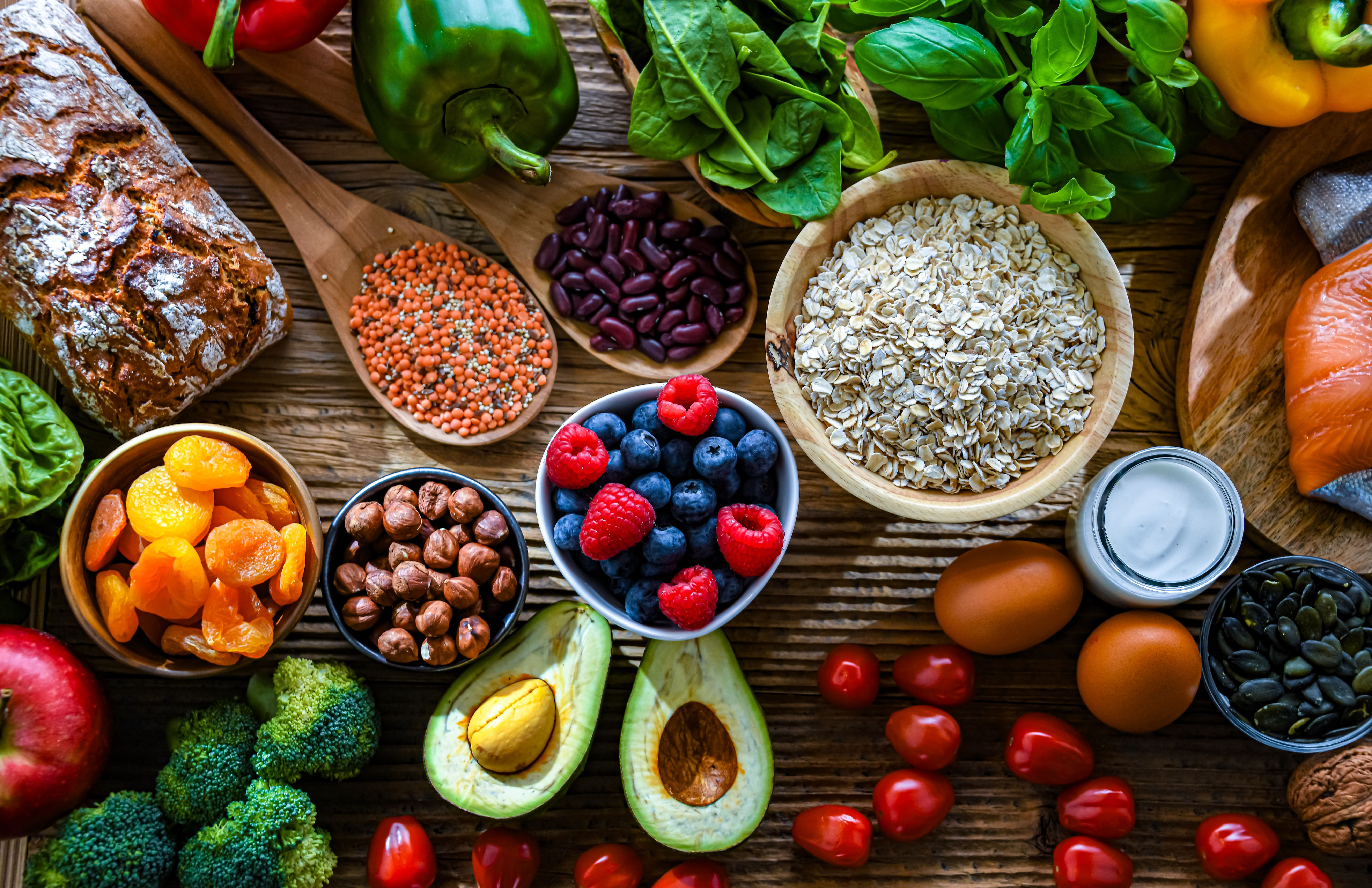
Additionally, micronutrients like vitamins and minerals are essential for maintaining health and preventing diseases. They are found in fruits, vegetables, and whole grains. Including a variety of these foods in your diet ensures a well-rounded intake of necessary nutrients.
Setting Realistic Goals
Before diving into a nutrition plan, it's important to set realistic and achievable goals. Consider what you want to achieve, whether it's losing weight, gaining muscle, or simply eating healthier. Setting specific, measurable, and time-bound goals can help guide your journey.
Start small and gradually adjust your lifestyle. For instance, if your goal is to eat more vegetables, begin by adding one serving to your meals each day. Incremental changes can lead to sustainable habits over time.
Planning Your Meals
Meal planning is a key component of any successful nutrition lifestyle plan. It helps in managing portion sizes, reducing food waste, and ensuring a balanced intake of nutrients. Begin by outlining your meals for the week, focusing on incorporating a variety of food groups.

Include snacks as part of your meal plan to prevent overeating during main meals. Healthy snacks like nuts, yogurt, or fruit can keep your energy levels stable throughout the day.
Incorporating Physical Activity
While nutrition is vital, combining it with regular physical activity can enhance your overall health. Exercise helps in boosting metabolism, improving mood, and maintaining a healthy weight. Aim for at least 150 minutes of moderate aerobic activity or 75 minutes of vigorous activity each week.
Find activities you enjoy, whether it's walking, cycling, or yoga, to keep you motivated. Remember, consistency is more important than intensity when it comes to forming a lasting exercise habit.

Monitoring Your Progress
Tracking your progress is essential for staying on course with your nutrition lifestyle plan. Keep a journal or use apps to log your meals, workouts, and how you feel. This can help identify patterns and areas for improvement.
Regular check-ins, whether weekly or monthly, can provide insights into your progress. Adjust your plan as needed to ensure it remains aligned with your goals and lifestyle.
Staying Informed and Flexible
The field of nutrition is always evolving, with new studies and insights emerging regularly. Stay informed by reading credible sources and consulting with nutrition professionals. Being open to adapting your plan based on new information is essential for long-term success.

Flexibility is key. Life is unpredictable, and being able to adapt your nutrition plan to different situations will help maintain a positive relationship with food.